How Virtual Lobby Layouts Shape Habit Formation Among Frequent Digital Card Players
Written by Elena Koch · Jul 27, 2026
How Virtual Lobby Layouts Shape Habit Formation Among Frequent Digital Card Players
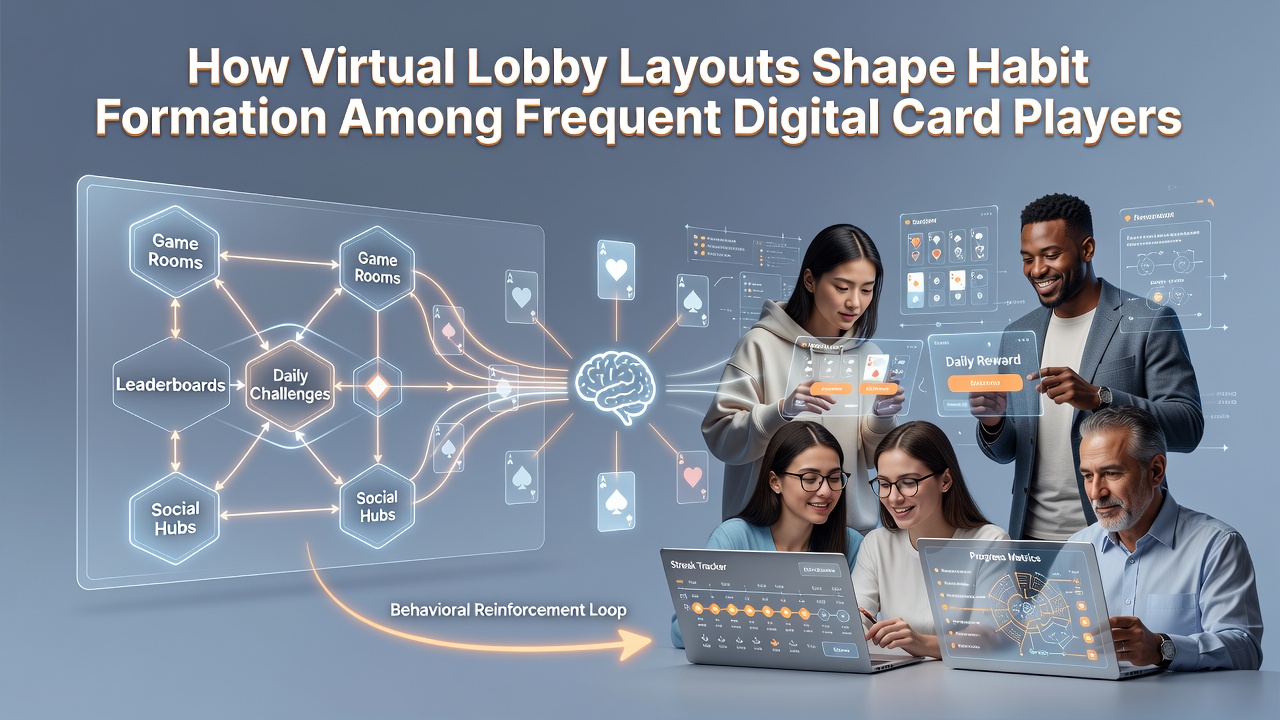
Digital card platforms organize their virtual lobbies through specific arrangements of tabs, thumbnails, and quick-access buttons that guide players toward repeated sessions, and these design choices connect directly to how users develop consistent play patterns over time. Observers note that frequent players often return to the same entry points because layouts place popular tables or tournaments in prominent positions while grouping related options together for easy scanning.
Core Components of Lobby Structures
Virtual lobbies typically feature a central grid of active games, side panels for filters like stakes or variants, and top bars highlighting ongoing promotions, all of which create predictable pathways that players follow without extra effort. Research from the UNLV International Gaming Institute shows that when key elements remain in fixed locations across updates, users form quicker navigation habits that reduce time between login and first hand. In July 2026 several major platforms introduced minor repositioning of tournament filters, yet core game grids stayed consistent, allowing existing routines to continue uninterrupted.
Visual Triggers and Session Initiation
Color-coded status indicators and animated seat availability cues draw attention to open spots, turning the lobby into a series of prompts that encourage immediate action rather than prolonged browsing. Those who study digital behavior find that players who encounter these cues in the same screen area session after session develop faster decision-making loops, moving from lobby view to table in fewer clicks. Layout consistency matters here because scattered elements force extra visual searching that can interrupt the emerging routine.
Navigation Patterns and Routine Reinforcement
Filter systems and saved preferences let users jump straight to preferred formats, which strengthens daily or weekly engagement cycles by removing friction at the start of each visit. Data indicates that platforms with customizable lobby views see higher repeat login rates among core users compared with those requiring manual resets each time. When search bars and category tabs sit in predictable spots, players integrate lobby checks into broader device routines such as morning commutes or evening wind-down periods.
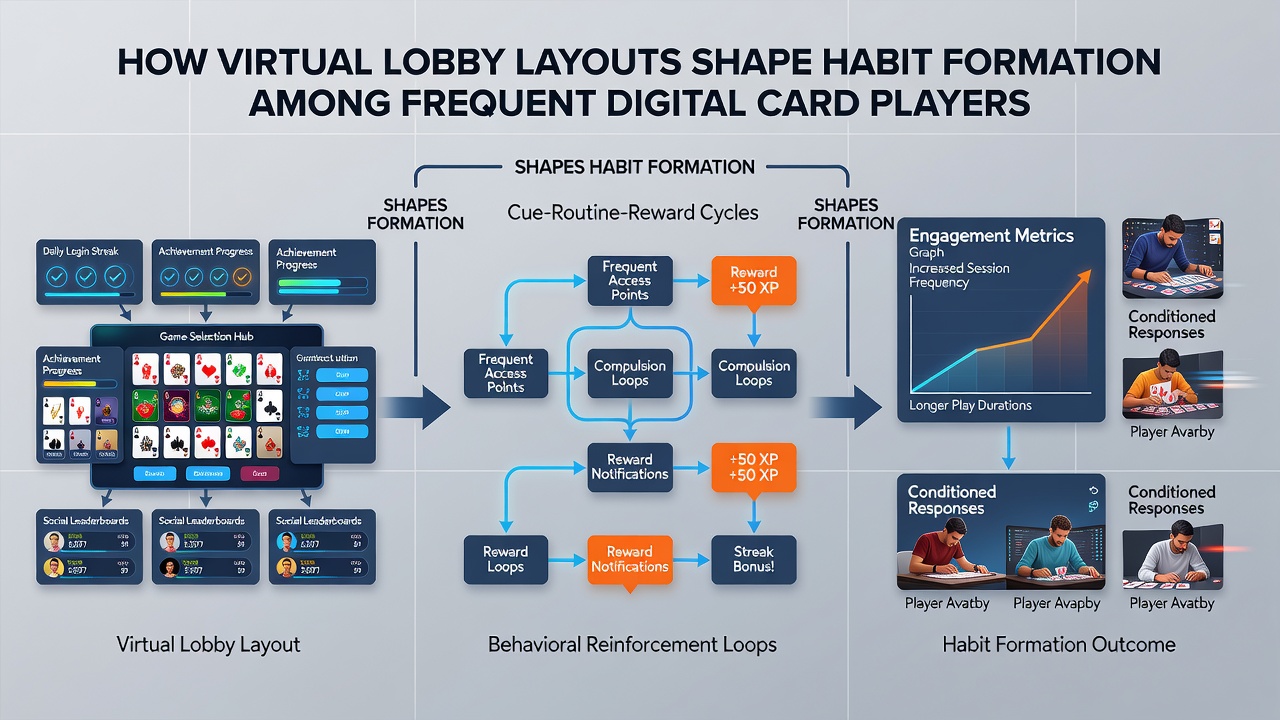
One analysis of engagement logs revealed that simplified lobby hierarchies correlate with longer average session chains, where players complete one game and immediately enter another without exiting the platform. This occurs because the layout keeps transition options visible and adjacent to active tables rather than buried in menus.
Social and Status Elements Within Layouts
Leaderboards, chat windows, and friend lists placed along lobby edges create additional layers of interaction that extend time spent in the environment and support ongoing participation. Frequent players often check these panels as part of their entry sequence, turning a quick game search into a broader social scan that reinforces return visits. Platforms that maintain stable positions for these features help users build multi-step habits that combine game selection with community updates.
Reward Visibility and Continued Engagement
Progress bars for loyalty tiers or bonus trackers positioned near the main game grid remind users of accumulating benefits without requiring separate navigation, which keeps the reward component of habit formation active during every session. Figures from industry reports show that visible progress indicators align with steadier play frequencies across multi-week periods. When these elements appear consistently in the same visual zone, players develop expectations that the next login will bring them closer to milestones.
Conclusion
Virtual lobby layouts influence habit formation by controlling the sequence of cues, actions, and feedback that frequent digital card players encounter on each visit. Consistent placement of navigation tools, visual prompts, social panels, and reward indicators allows routines to solidify over repeated exposures. As platforms continue refining these structures through 2026 and beyond, the connection between spatial design and user behavior remains a central factor in how engagement patterns develop across digital card environments.